Operations
Occupancy
Reservations
Product
Most property management software starts with reservations.
Calendars come first. Channel managers come next. OTA integrations, messaging, automation, mobile apps — over the years, the list of features keeps growing.
Yet something important never really changes.
Behind almost every growing vacation rental business, there is still a collection of spreadsheets keeping the company together.
Not because modern PMS platforms are missing features. Because they were designed to solve a different problem.
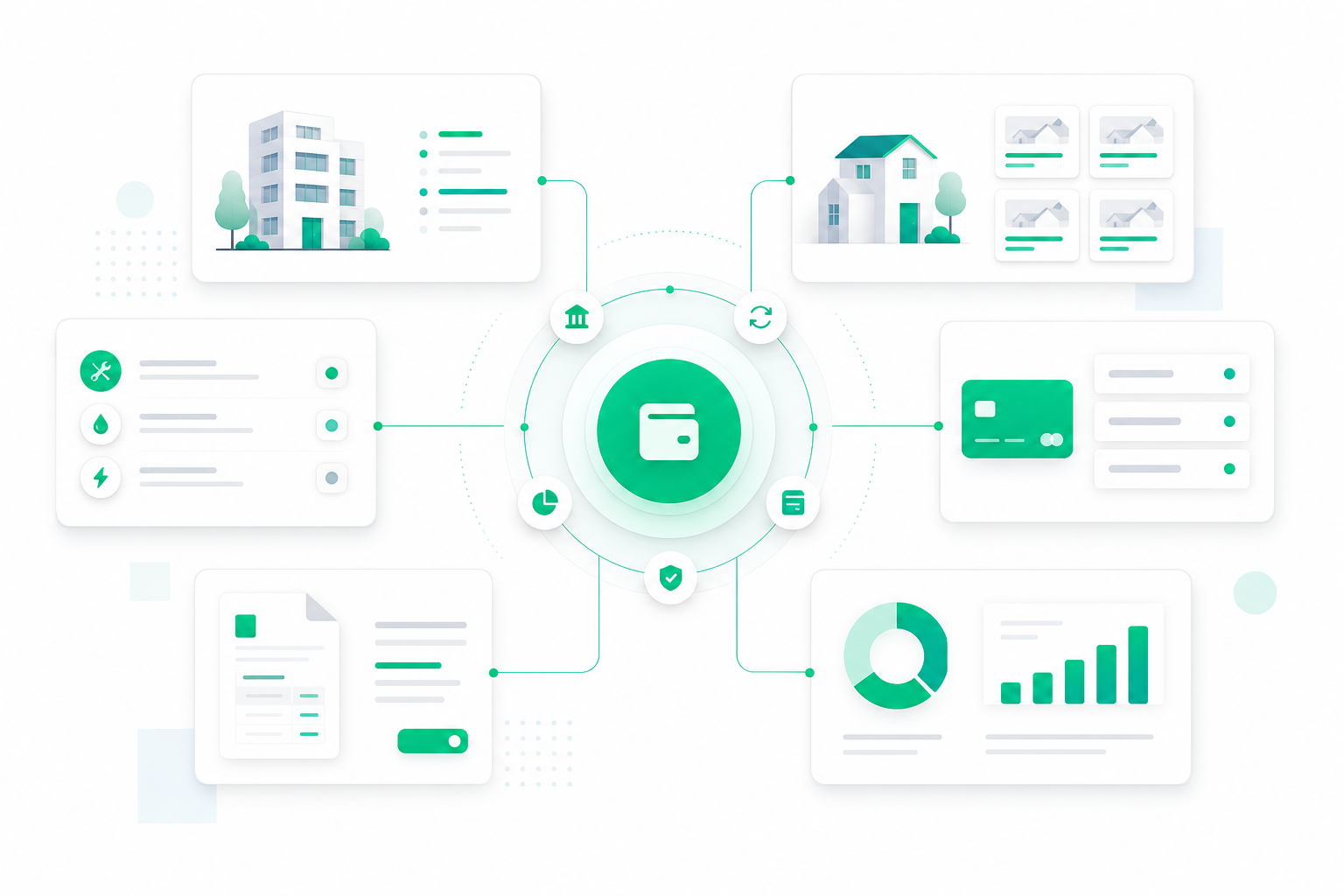
01 — The industry problem
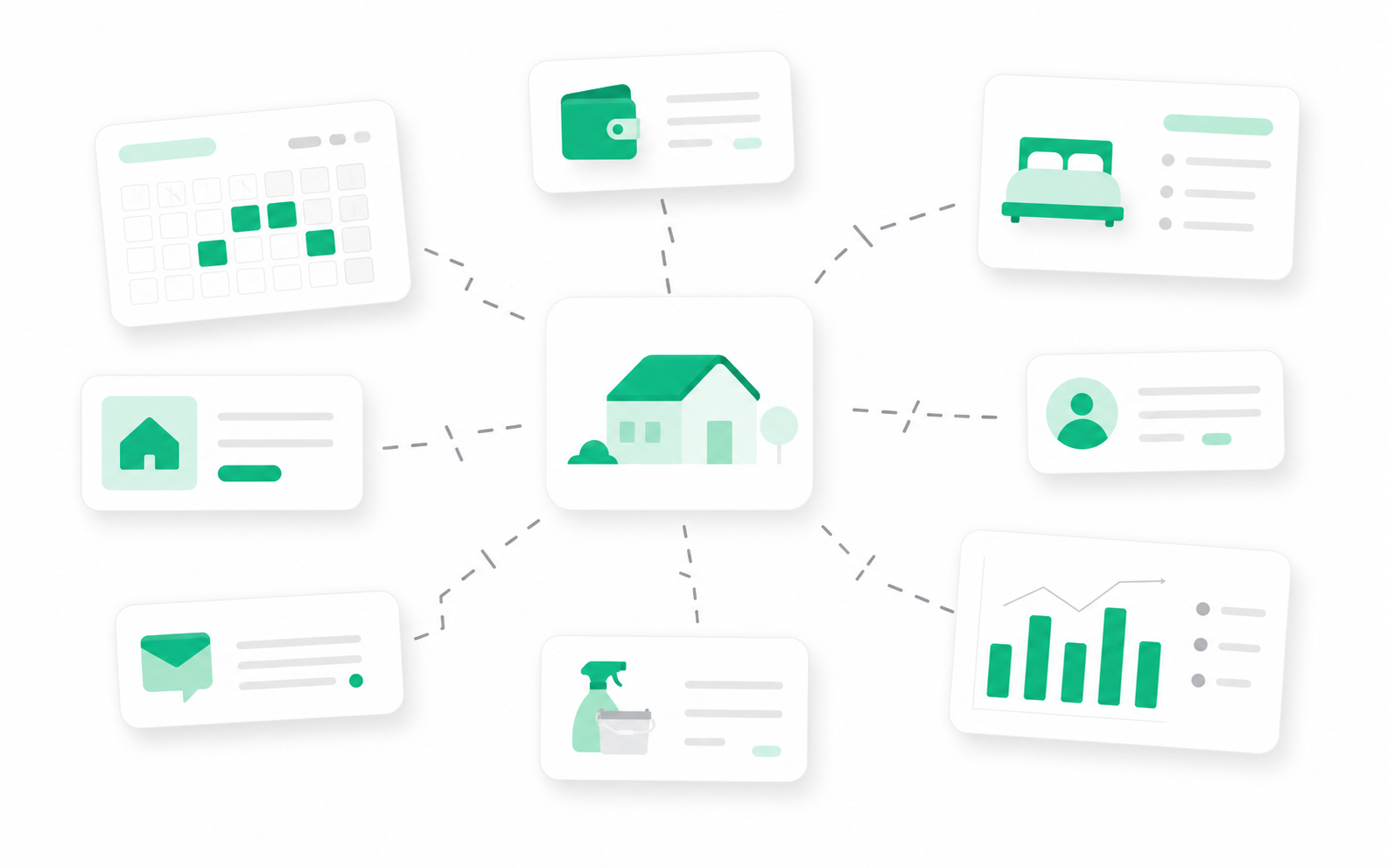
A reservation lives in one system. Expenses are tracked somewhere else. Owner payouts are calculated in spreadsheets. Financial reports are assembled manually at the end of every month.
As the portfolio grows, every department builds its own way of working. Operations focus on reservations. Finance tracks payments. Managers prepare reports. Owners ask questions.
The information exists—but it is scattered across different tools, different people, and different spreadsheets.
The same process repeats every month for every owner. For many operators, this isn't an occasional task. It becomes part of running the business.
02 — A different starting point
Most property management platforms evolved in roughly the same direction.
First came reservations. Then calendars. Then OTA integrations. Then automation. Every generation improved operational workflows.
But financial management remained largely outside the platform.
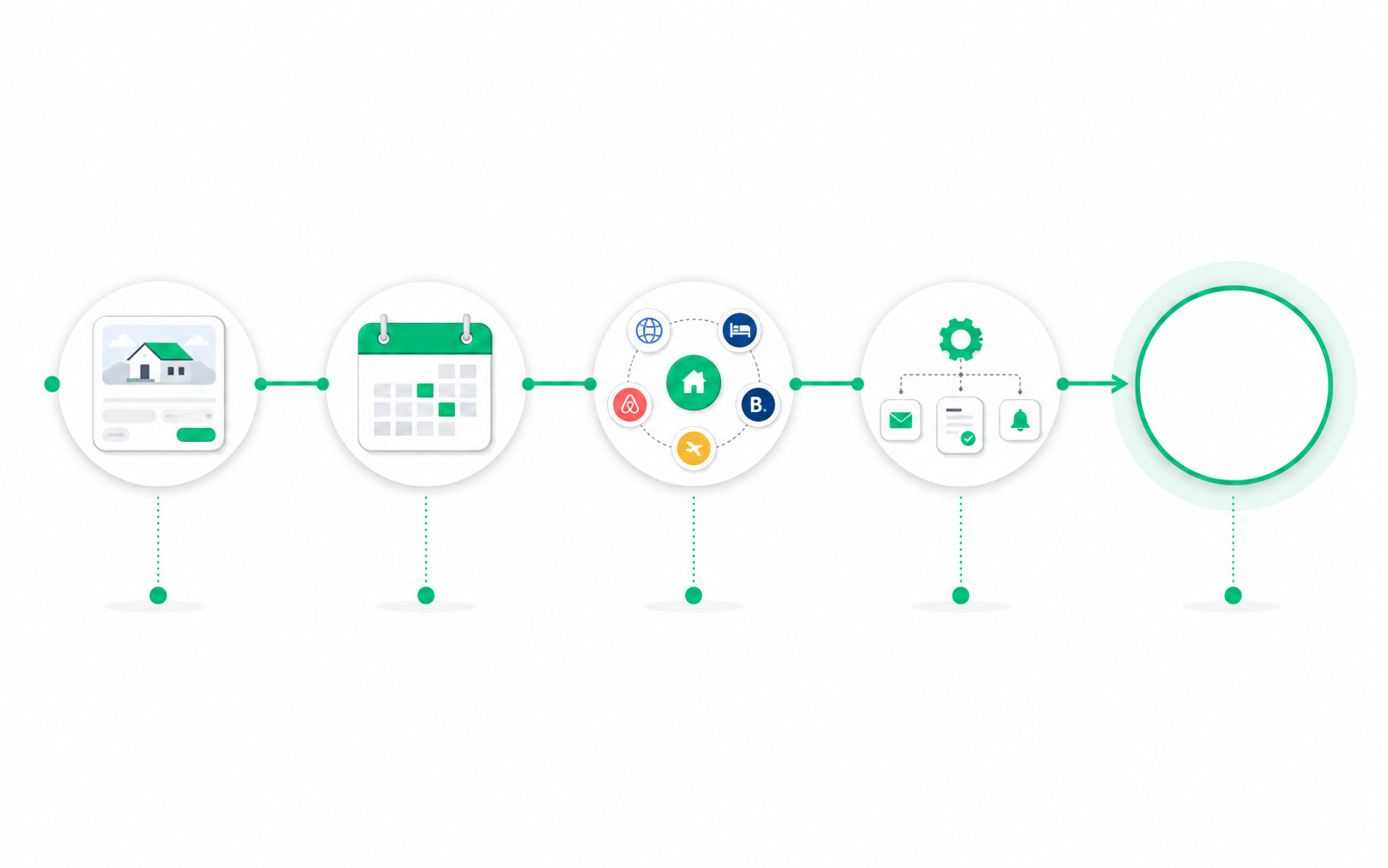
Companies adopted increasingly sophisticated PMS software while continuing to rely on Excel for some of their most important business processes. Not because Excel is better. Because that's where the financial picture still had to be assembled.
03 — The foundation
Reservations are only the beginning.
Every booking creates revenue. Revenue creates commissions. Commissions affect owner balances. Expenses change profitability. Taxes change settlements. Owner statements need to be generated. Payments need to be made.
Eventually, every reservation becomes money moving between different people.
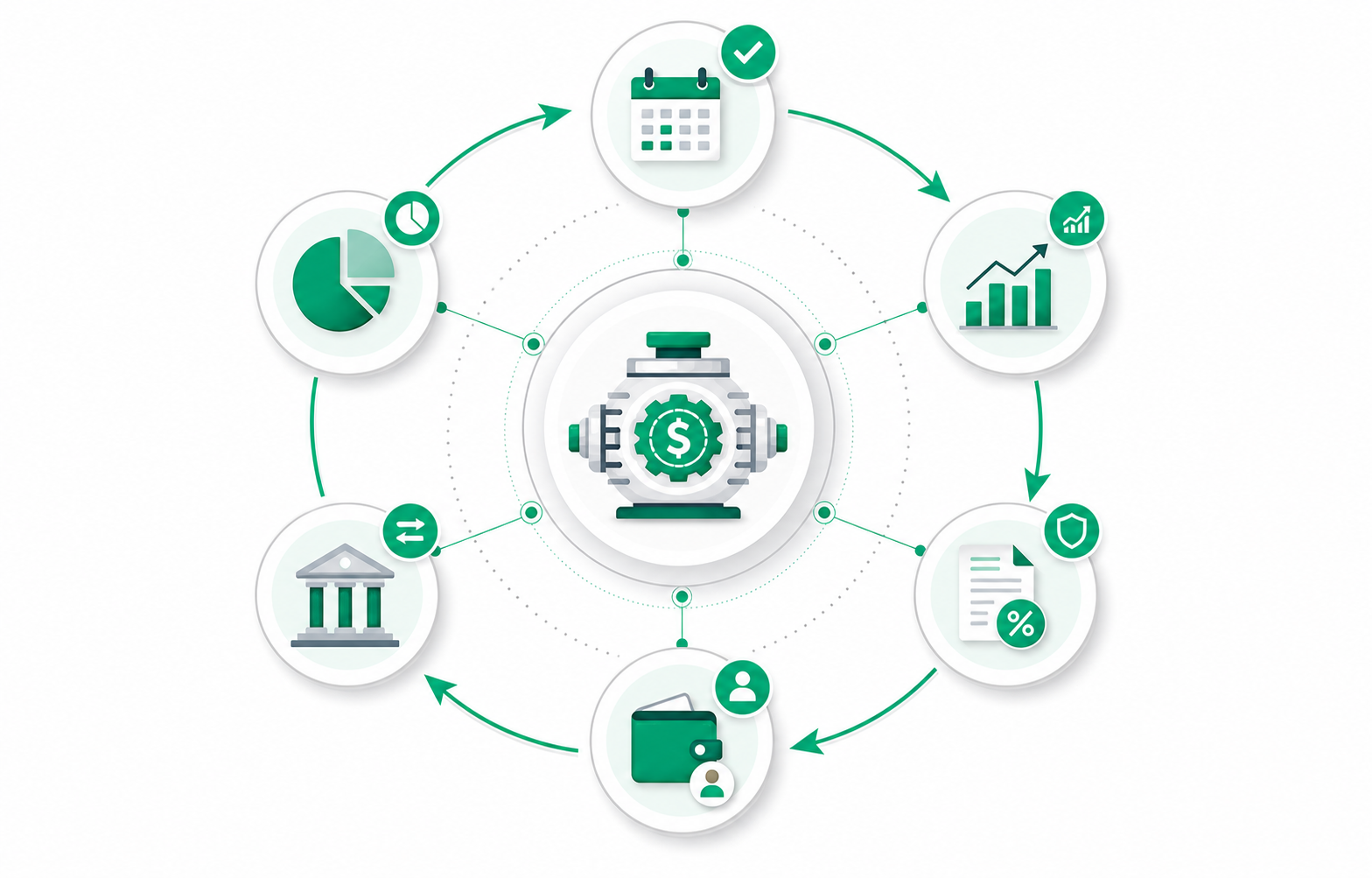
Every booking eventually becomes a financial transaction.
That idea became the foundation of our platform. Instead of building around calendars, we built around the financial lifecycle of every property.04 — One shared reality
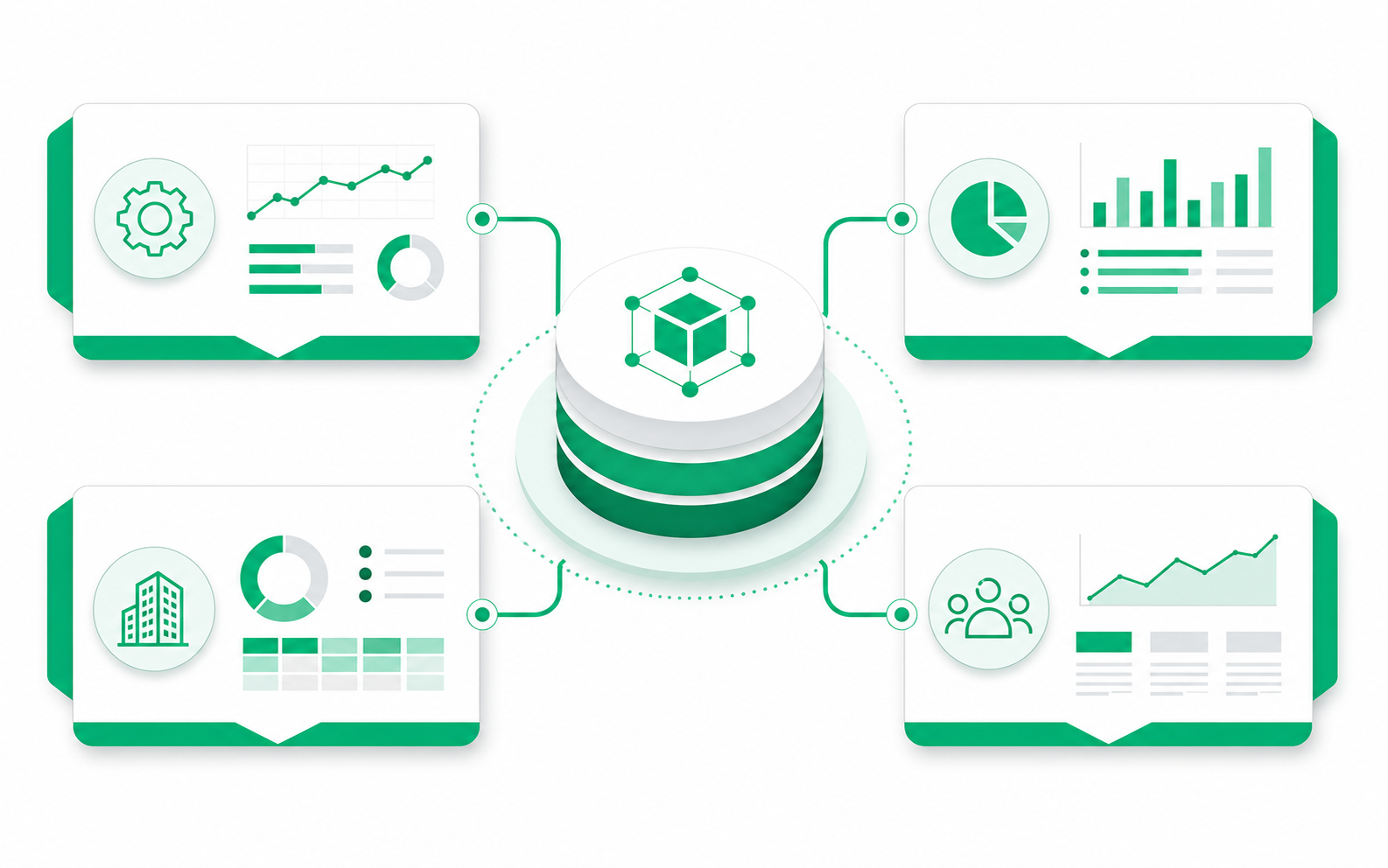
Every department works with different information.
Operations care about occupancy. Finance cares about payments. Owners care about their income. Management cares about profitability.
Traditional software gives every team its own tools. Which often means every team ends up working with different numbers.
Occupancy
Reservations
Expenses
Payments
Statements
Income
Profitability
Growth
We believe everyone should work from the same financial reality. When reservations, expenses, commissions and owner balances belong to one connected model, every department sees the same business—just from a different perspective.
05 — Process over features
Businesses don't operate feature by feature. They operate process by process.
A property joins the portfolio. Reservations begin. Expenses accumulate. The month closes. Owner settlements are generated. Owners receive reports. Management analyzes performance.
Then the cycle starts again.
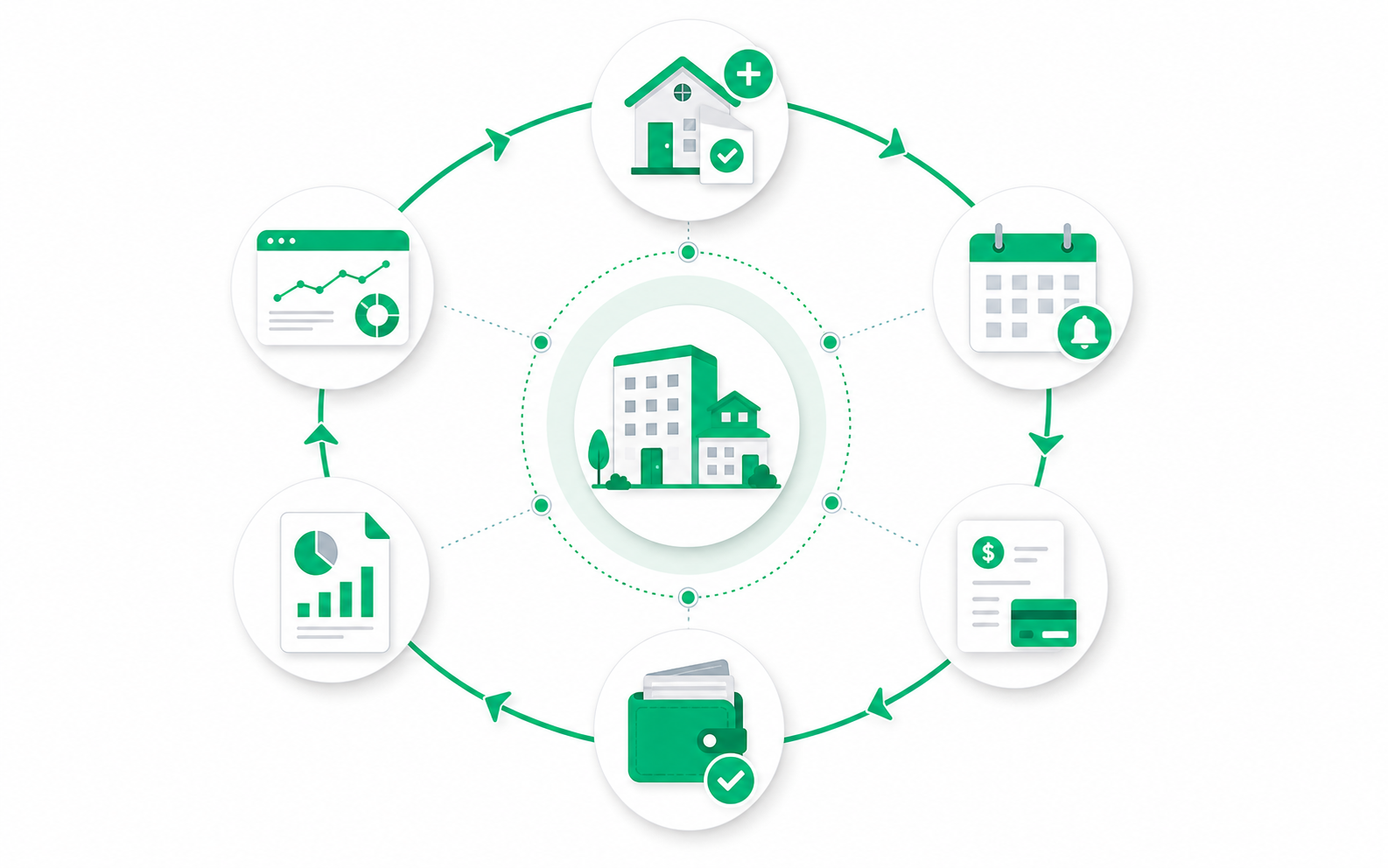
That's how the platform is organised.
Not around modules. Around the way property management companies actually work.06 — Connected by design
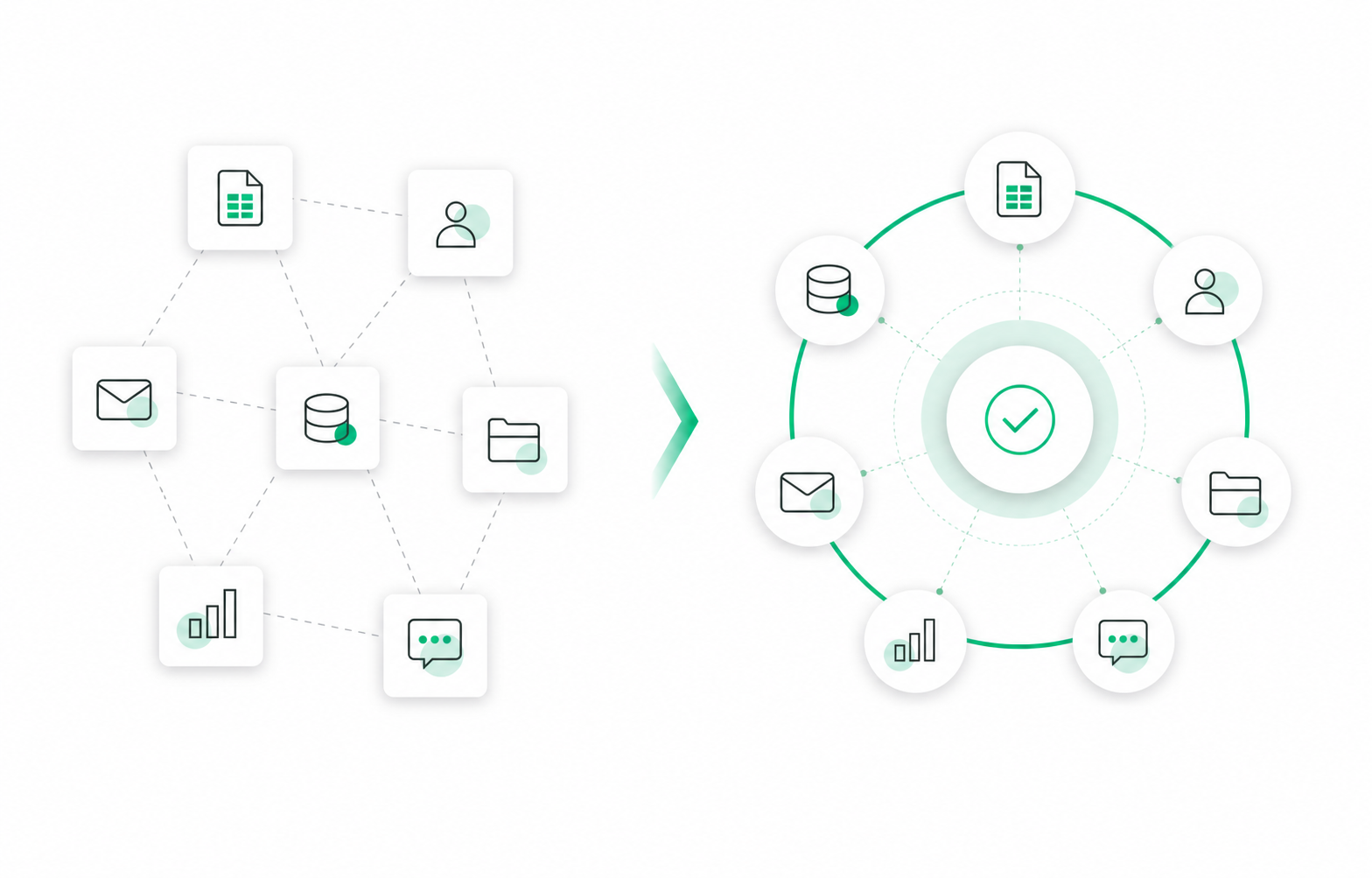
Technology alone doesn't reduce complexity. Connected data does.
When operational and financial workflows live inside one platform, routine work starts disappearing. Instead of collecting information from multiple systems, teams spend more time making decisions. Instead of rebuilding reports every month, they review them.
The business becomes easier to understand—not because there are fewer properties, but because there are fewer disconnected processes.
Multiple systems
Manual calculations
Excel spreadsheets
Repeated owner requests
Late monthly reporting
Limited financial visibility
Connected workflows
Automatic owner settlements
Transparent reporting
Real-time financial visibility
Faster month-end closing
Better business decisions
07 — Built to scale
Managing ten properties is rarely difficult. People remember where everything is. Spreadsheets stay small. Processes remain informal.
Then the business grows.
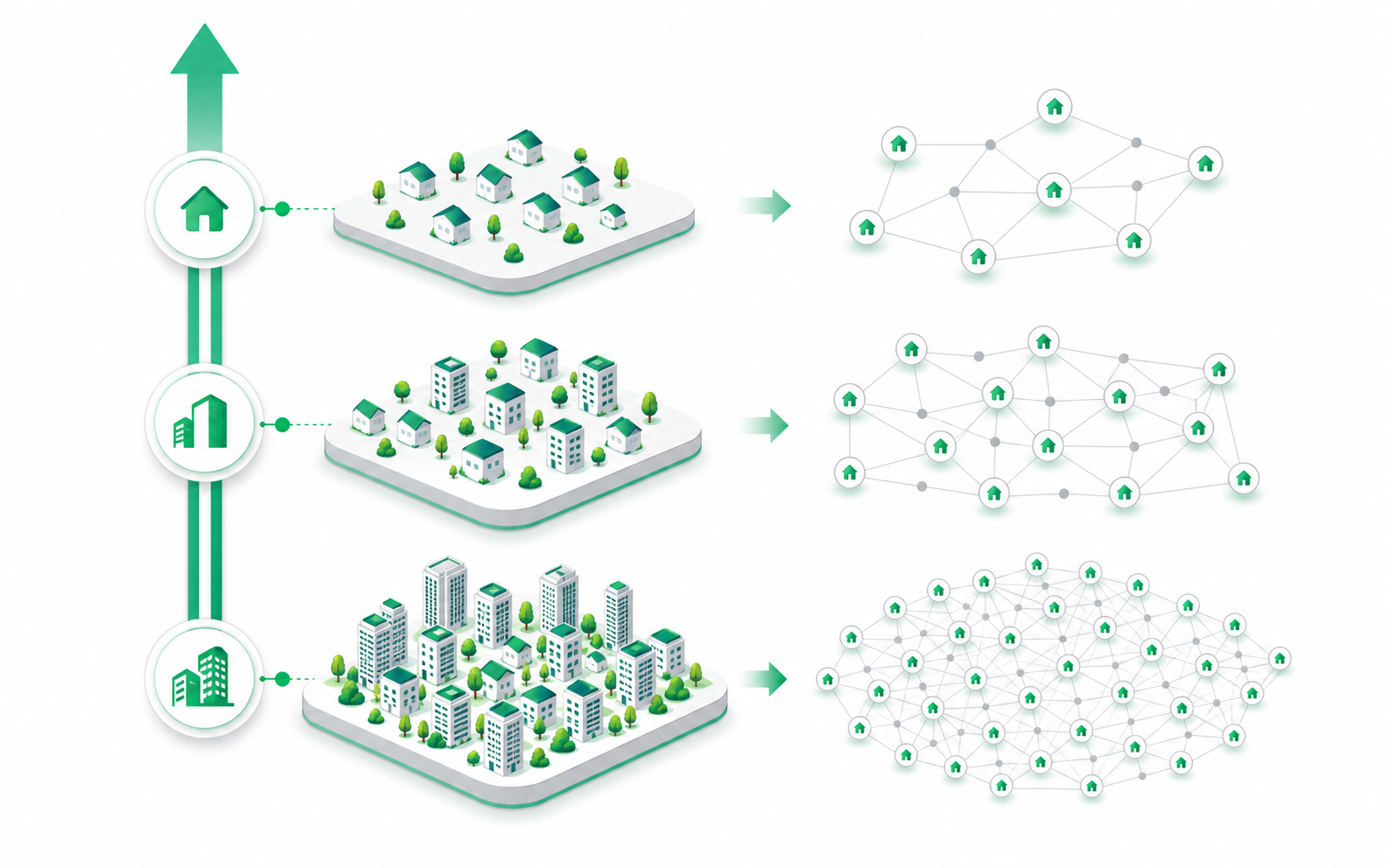
Everything feels manageable.
Excel becomes larger.
Owner reporting slows down.
Financial visibility starts fading.
Operations become harder to scale.
Growth itself isn't the problem. Complexity is. We built the platform for the moment when operational growth turns into financial complexity—especially for operators managing 30–300 properties with many owners, where Excel becomes part of daily operations.
08 — The difference
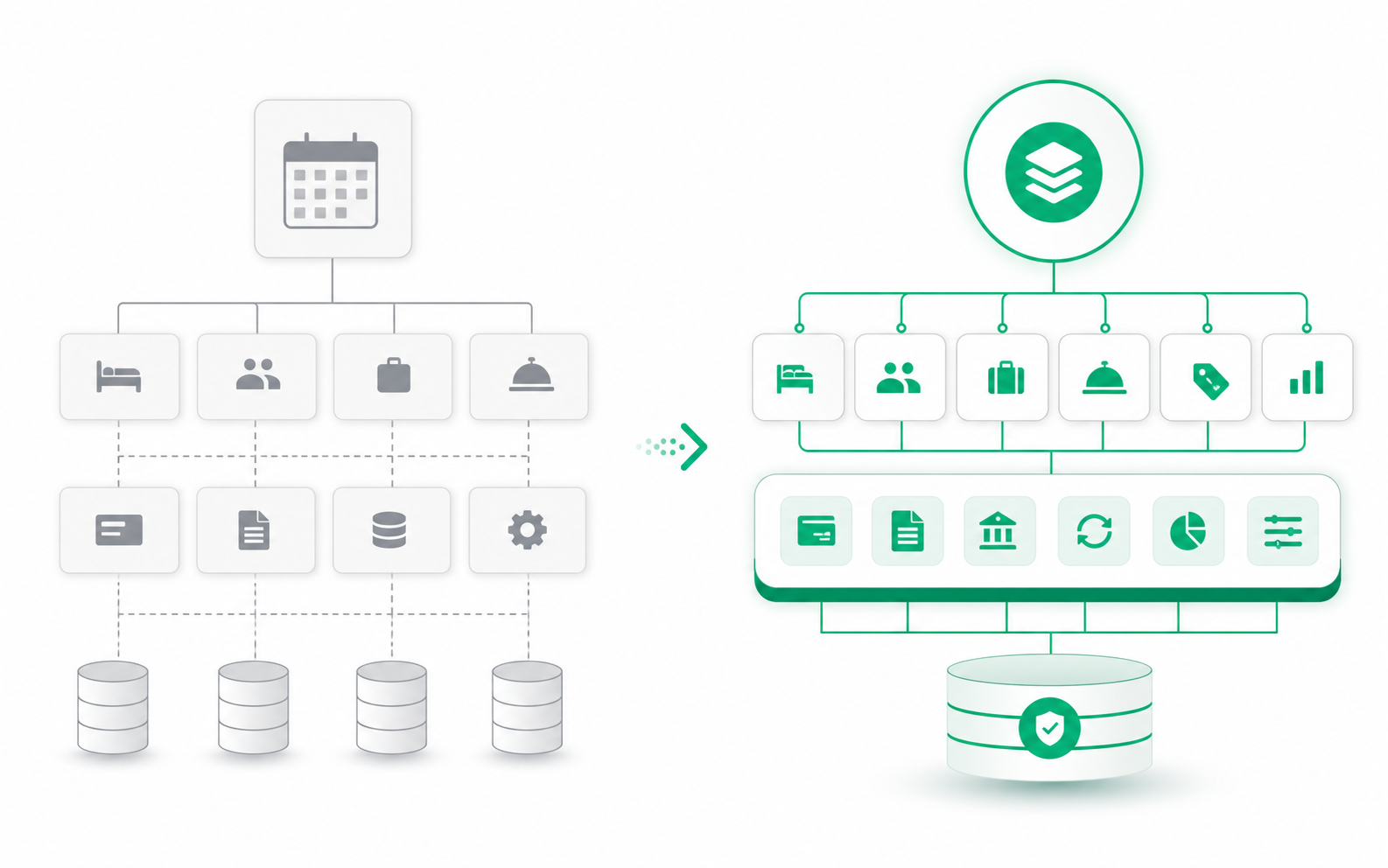
The goal isn't simply to manage bookings. The goal is to build a more transparent, more scalable property management business.
Built Around One Simple Principle
Money needs to be tracked.
Expenses need to be allocated.
Owners need to be paid.
Profitability needs to be understood.
We built the platform around that journey—not because financial management is another feature, but because it connects everything else.
Your next chapter
If your business has outgrown spreadsheets—but your current PMS still leaves financial processes scattered across different tools—we'd love to show you another approach.
See how reservations, expenses, owner settlements and financial reporting work together in one connected platform.
Book a personal demo